
What Should You Not Fix Before Selling Your Macomb or Oakland County Home?
By Forest Dorling, Realtor®, Epique Realty
Published November 20, 2026 · 10 minute read
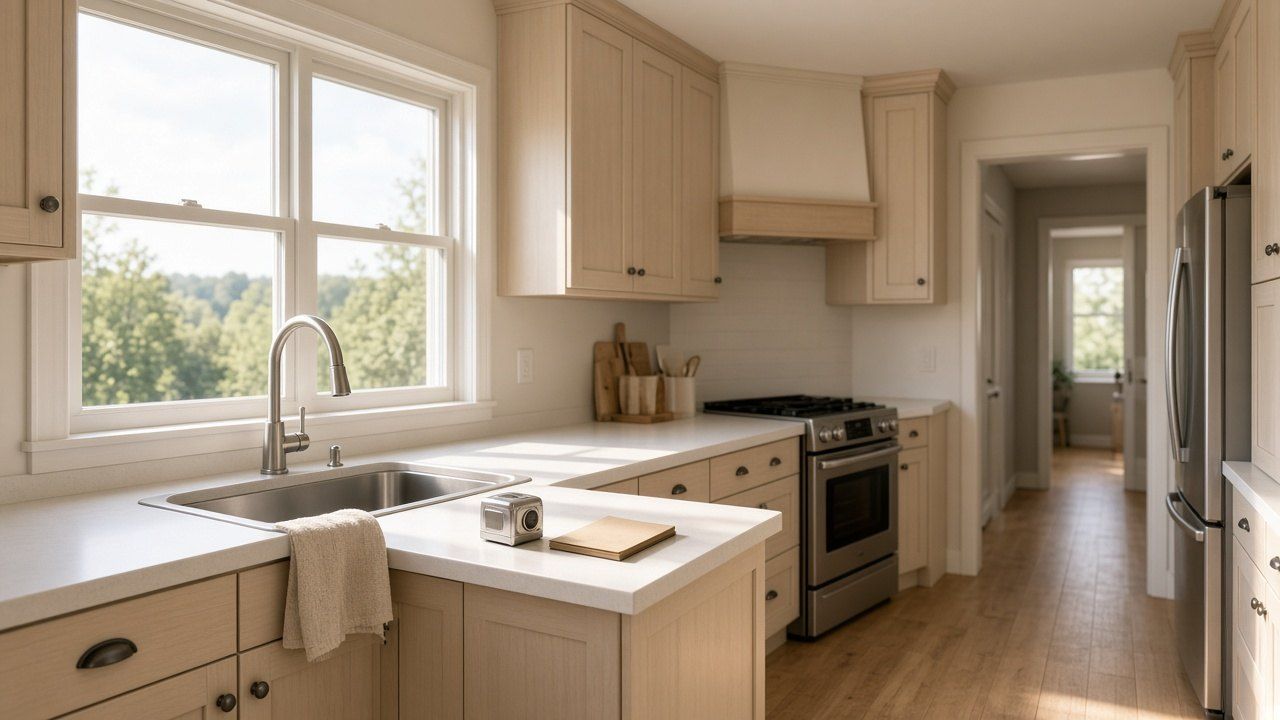
You're standing in your kitchen with a tape measure in one hand, looking at cabinets you've opened a thousand times. A friend said a new kitchen is what sells a house. Another said don't touch a thing. You're trying to figure out which advice would help.
What should you not fix before selling? Skip the big, taste-driven projects. Leave the major kitchen gut job. Leave the brand-new bathroom. Leave the system that already works. Put that time into the work that helps a buyer see the house clearly: a place that's clean, finished, and in working order.
There's a simple test to run before you start any project, and it has nothing to do with a catalog of upgrades. We'll get there.
Quick answer: what not to fix before you sell
- Leave alone: a major kitchen or bathroom remodel done only to list, a system that already works, and upgrades that only match your taste.
- Don't start: a big addition, a rushed basement finish, or any project you can't complete before photos.
- Still do: a deep clean, declutter, curb appeal by trimming and washing, paint touch-ups, and small repairs that show the house is cared for.
- If it's broken or unfinished: deal with it, or be ready for a buyer to notice it on their own.
- The test: if a buyer would likely change it to match their own taste, leave it. If it hides the house or makes it feel unfinished, take care of it.
What should you not fix before selling your house?
Picture a buyer walking through your home in Macomb County or Oakland County on a Saturday. They aren't keeping a scorecard of every upgrade you've ever wanted to make. They're trying to feel whether this could be their house, and they're quietly comparing it to the other homes they've already seen nearby.
That first look gets harder when the house is mid-project, or when a brand-new finish feels so personal that they can't picture their own Saturday morning in the room.
This isn't only my take. In the National Association of REALTORS® 2025 Profile of Home Staging, released May 6, 2025, the home improvements agents recommended most often to sellers, nationally, were decluttering the home (91%), cleaning the entire home (88%), and improving curb appeal (77%). Those aren't remodel projects. They're the work that lets a buyer see the house you already have.
The same national NAR survey found that 51% of sellers' agents did not stage homes before listing them for sale, but recommended that sellers declutter or correct property faults. Jessica Lautz, a deputy chief economist at NAR, also noted that the typical home seller has lived in the home for 10 years before selling. In that time, it's easy to stop seeing what a buyer will notice in a 20-minute walk-through.
Should you remodel the kitchen before you sell?
Usually, no, not a major remodel done only to get the house on the market. A kitchen is one of the first rooms a buyer studies, so the instinct to rip it out is understandable. New cabinets and a new layout can feel like the surest way to make the house "ready." The trouble is, buyers often want to choose those things themselves. You can spend 3 months building a kitchen in your taste, only to watch a buyer plan to change it later.
National numbers point the same way. In Zonda's 2025 Cost vs. Value Report, published with the Journal of Light Construction, a midrange major kitchen remodel recouped about half its cost at resale. An upscale major kitchen remodel recouped well under half. Those are national averages, not a promise about any one house in Michigan. They still tell you something useful: a full gut job done on the way out the door often does not come back in full.
If the kitchen is dirty, crowded, or half torn apart, that's the part to handle. A clean, working kitchen with clear counters is easier to read than a brand-new one that doesn't feel like theirs.
When a smaller kitchen update can still help
A smaller refresh is a different decision from a major remodel. In that same 2025 Cost vs. Value report, a midrange minor kitchen remodel recouped more than its cost at resale, again as a national average. That kind of work is usually closer to a refresh than a rebuild: paint, hardware, a thorough clean, maybe a worn surface that distracts every time you walk in.
The line is whether the work helps a buyer see the room, or whether it rebuilds the room in a style they may not want. If you're unsure which side you're on, wait for the test below before you pull a single cabinet door.
Should you renovate the bathroom before listing?
A full bathroom renovation, done only because you're selling, has the same problem as a major kitchen job. Tile, fixtures, and vanities are personal. What looks perfect to you can look like someone else's project to a buyer.
In the 2025 Cost vs. Value Report, a midrange bathroom remodel recouped more of its cost than a major kitchen. An upscale bathroom remodel recouped well under half, and an upscale bathroom addition recouped even less, all as national averages. If the bath already works, a deep clean, fresh caulk, and a few touch-ups usually help more than a gut job you have to finish before photo day.
If a bathroom is failing, leaking, or clearly unfinished, that's not a taste issue. That's a problem a buyer will walk in and see, and it belongs on the "deal with it" list, not the "leave it alone" list.
Should you replace a working roof, furnace, or appliance?
If it works, you don't have to replace it only because a newer one exists.
This is an easy place to overspend. A furnace that heats the house, a water heater that does its job, a roof that is sound, or appliances that run cleanly do not become emergencies the day you decide to list. Buyers expect a lived-in home to have some age on its systems. They still notice dirt, a noise that feels broken, or a unit that's clearly at the end of its life.
What buyers notice instead of a brand-new system
They notice whether things work. They notice stains, drips, and warning lights. They notice a roof that looks neglected, not a roof that is simply a few years old.
If a system is failing, that's a different conversation, and it should happen before photos, not after a buyer finds it on their own. Keep service records handy if you have them. A short, clear history often settles more nerves than a brand-new unit you didn't need.
Should you finish the basement before you sell?
Only if you can do it completely, and do it well, before the photos go live.
A clean, dry, unfinished basement is easy for a buyer to understand. They can see the space. A basement that's mid-project, with exposed wires, unpainted drywall, or a ceiling that stops halfway, is harder. It asks the buyer to finish your job.
If you already started, finish the work to a clean stopping point or return the space to a simple, tidy unfinished state. Don't leave a project sitting there "almost done." Almost done is what they will remember.
Should you add a deck, patio, or a new outdoor space?
Not as a last-minute project only to list.
Curb appeal matters, and buyers do notice the yard and the entry. That does not mean you need a new outdoor room. In the 2025 Cost vs. Value Report, a big backyard patio recouped less than half its cost at resale, as a national average. A wood deck held more of its value than that, but a project that large still takes time you may not have.
What helps more, in the time you have, is the simple work. Trim what's overgrown. Wash the walkway. Clean the entry. Fix loose boards on a deck you already have.
What about bold paint, wallpaper, or very personal upgrades?
This is where a lot of weekend energy goes, and it's often the wrong place. The paint color you love, the wallpaper you waited years to hang, the custom tile that feels like "you," those things made the house yours. That's exactly why they can get in a buyer's way. You aren't being asked to erase the home. You're being asked to quiet the parts that only speak to you.
Why taste-driven projects rarely help
A buyer can change a paint color or a piece of hardware. What they can't do, in a 20-minute showing, is unsee a room that feels already claimed.
The same 2025 NAR staging report also includes depersonalizing the home and paint touch-ups among the common recommendations agents make. The useful paint work is usually the marked-up wall, the scuffed trim, or a color so strong it fills the whole room.
A simple test before you start a project
Here's that test I mentioned.
Ask one question: would a buyer likely keep this, or would they change it to match their own taste?
If they would likely change it, leave it. If it's broken, unfinished, dirty, or hiding the house, take care of it.
That's the whole filter. It keeps you from spending a month on a project a buyer was never going to pay you for, and it keeps you from skipping the unglamorous work that helps them see the home.
What should you still fix before showings?
Leaving the wrong projects alone is only half the answer. The other half still matters.
Broken, incomplete, or clearly unfinished work
A dripping faucet, a loose railing, a door that won't close, a room that is mid-repair: those things don't read as "we'll get to it." They read as work the buyer may inherit. If you can make it work and look finished before photos, do that.
This is not legal advice. It's how a showing works: buyers notice what is broken, and they notice what is only halfway done.
The small jobs that help a buyer see the house
Start with a real clean, not a quick wipe of the places you already look. Counters, floors, windows, the bathroom glass, inside the fridge if it's staying, the entry door. Then take a second pass at clutter, closets included. For a simple packing plan, I wrote should you pack before you list.
Outside, think subtraction more than addition. Mow and trim. Sweep the walk and wash it. Then catch the little repairs that signal neglect when they're left alone: burned-out bulbs, sticking doors, loose handles, missing switch plates, a caulk line that has given up.
None of that is glamorous. All of it helps a buyer look at the house instead of a to-do list.
Should you sell as-is or fix it up?
"As-is" sounds like a shortcut. "Fix it up" sounds like a months-long remodel. If you're selling a home in Macomb County or Oakland County, you may not really be choosing between those two extremes.
The label you put on the sale does not stop a buyer from looking closely. They still walk through. They still notice what's worn, what's unfinished, and what works. The better question is simpler: does the house show as a place someone can move into, or as a list of jobs? You do not have to fix everything. Use the test. Handle the items that hide the home or make it feel unfinished. Leave the taste-driven upgrades and the systems that already work.
How do you decide what is worth doing in Macomb or Oakland County?
Walk your house the way a buyer will, starting at the curb. Write down only what you notice twice: once because it jumped out, and again because it would still jump out on photo day. Keep the list short. A short list is easier to finish than a dream remodel you can't complete in time.
Then walk it with someone who sells in Macomb County and Oakland County, so you aren't guessing in a vacuum. Buyers around Rochester, Troy, Warren, Royal Oak, Novi, and Shelby Township compare your home to others they've already seen. The work that helps is the work that makes your house easy to read in that comparison. Clean. Finished. Working. Still yours, only quieter.
Which project on your list would a buyer keep?
That's the question that saves you time. You don't need to rebuild the house to sell it. You need to show the one you have, clearly, so a buyer can picture the next chapter inside it.
Seller questions, answered
What should you not fix before selling your house?
Skip the big, taste-driven projects, including a major kitchen or bathroom remodel done only to list, and leave systems that already work.
Should I remodel my kitchen before I sell?
Usually not a major remodel. A clean, working kitchen is easier for a buyer to understand than a brand-new one they may want to change.
Should I replace a working roof, furnace, or appliance before listing?
If it works, you don't have to replace it only because a newer one exists. If it's failing, deal with that before photos.
Should I sell my house as-is or fix it up?
You don't have to fix everything, and you don't have to remodel. Show a house that is clean, finished, and in working order.
What should I still fix before showings?
A deep clean, declutter, curb appeal by trimming and washing, paint touch-ups, small repairs, and anything that is broken or unfinished.
Keep reading
- Should you pack before you list your Macomb or Oakland County home?
- What buyers actually pay attention to in Shelby Township homes
- What makes some Macomb County homes sit while others sell quickly
Thinking about selling?
Once you have your short list, I'll walk the house with you and help you sort it: what's worth doing before photos, and what the next owner will want to choose. You can reach me here.
Buying in Macomb County or Oakland County instead? The same link works.
About the author
Forest Dorling is a Realtor® with Epique Realty who helps homeowners sell, and buyers buy, across Macomb and Oakland County, Michigan.
Forest Dorling, Realtor® · Epique Realty
411 S Main St, Rochester, MI 48307
(586) 303-0901
Local Knowledge. Quiet Leverage.
Recent Posts




GET MORE INFORMATION